

The first person to ‘come out’ to is yourself
It can take a long time between having those first thoughts about your true gender identity or sexuality to proactively taking the steps you want to take in changing your life and really living the life you want to live.

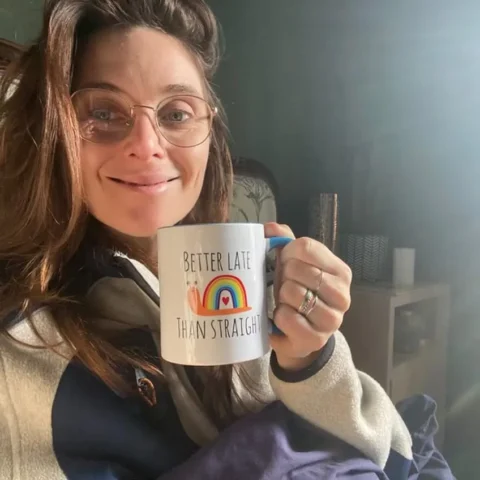


When ‘coming out’ to others, it is really best to first tell someone who you trust and who you feel will be supportive and understanding.
This may be a good friend, a family member, a partner or a professional who has some expertise in LGBTQ+ issues – maybe a counsellor, a therapist, or a youth worker who specialises in working with LGBTQ+ people.
The process of coming out can take years for some, and some people may never be ready to tell everyone in their life. Remember that coming out is a deeply personal and sometimes challenging experience. Your role as a safe person is to provide love, support, and understanding during this important time.
Our top "coming out" tips
If you know someone that you think might be LGBTQ+ and you want to make sure that they know you are a safe and supportive person to come out to, here are our top tips!
This can really help you to build your confidence. If you know people who understand, you’ll be in a better position to tell others.
Don’t tell everyone at once as it can be very overwhelming for you to deal with.
Try to make sure that you have as much information as possible to answer – but also, you don’t need to have all the answers straight away, this is a process for you too!
Other people also need time to reflect and process this new information about you. They may also need to get support and advice.
There are many LGBTQ+ people who are very happily living their lives and achieving great things.
About how they became the person they are today can help to give you strength and motivation to continue on your journey to where you want to be as an LGBTQ+ person. Maybe try following some trans, gay, non-binary, bisexual, pansexual and queer people on social media.
People usually react positively to someone who appears to be confident. Fake it until you make it!
If you tell someone who is close to you and they have a negative reaction, give them space.
Try to put yourself in the position of the people you tell, especially partners. Your news can affect how they feel about themselves as well as how they feel about you. Remember that it probably took you quite a while to accept your identity. Other people also need time to reflect and process this new information about you. They may also need to get support and advice.
Be patient but persistent if you want someone to call you by a different name and/or use different pronouns. Even Trans people use the wrong names and pronouns for themselves in their own heads at times! Remember that when other people accept who you are it can have a really positive effect on building your self-esteem.